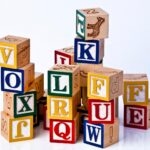

Portuguese is much more phonetic than English. Once you understand how syllables work, you can read and pronounce new words with confidence — even if you don’t know their meaning.
The key is learning the Portuguese syllabary (silabário), which is divided into:
- Simple Syllables (Silabário Simples)
- Complex Syllables (Silabário Complexo)
Below, you’ll find tables structured like the traditional syllabary charts, just like the images you see in Brazilian schools.
Simple Syllables in Portuguese (Silabário Simples)
What Are Simple Syllables?
Simple syllables follow this pattern:
Consonant + Vowel (CV)
They are the foundation of Portuguese reading and pronunciation.
Simple Syllabary Table
| A | E | I | O | U | |
|---|---|---|---|---|---|
| B | BA | BE | BI | BO | BU |
| C | CA | CE | CI | CO | CU |
| D | DA | DE | DI | DO | DU |
| F | FA | FE | FI | FO | FU |
| G | GA | GE | GI | GO | GU |
| H | HA | HE | HI | HO | HU |
| J | JA | JE | JI | JO | JU |
| K | KA | KE | KI | KO | KU |
| L | LA | LE | LI | LO | LU |
| M | MA | ME | MI | MO | MU |
| N | NA | NE | NI | NO | NU |
| P | PA | PE | PI | PO | PU |
| Q | QUA | QUE | QUI | QUO | — |
| R | RA | RE | RI | RO | RU |
| S | SA | SE | SI | SO | SU |
| T | TA | TE | TI | TO | TU |
| V | VA | VE | VI | VO | VU |
| X | XA | XE | XI | XO | XU |
| Z | ZA | ZE | ZI | ZO | ZU |
@fluentinportuguese.com B Simple Syllabary in Portuguese – BA BE BI BO BU #syllabaryinportuguese #syllabaryportuguese #learnportuguese #soundsinportuguese #fluentinportuguese ♬ original sound – Brazilian shop
@fluentinportuguese.com C Simple Syllabary in Portuguese – CA CE CI CO CU #fluentinportuguese #syllabaryinportuguese #syllabaryportuguese #soundsinportuguese #portuguesepronunciation ♬ original sound – Brazilian shop
@fluentinportuguese.com D Simple Syllabary in Portuguese – DA DE DI DO DU #fluentinportuguese #syllabaryinportuguese #syllabaryportuguese #portuguesepronunciation #soundsinportuguese ♬ original sound – Brazilian shop
@fluentinportuguese.com F Simple Syllabary in Portuguese – FA FE FI FO FU #fluentinportuguese #syllabaryinportuguese #syllabaryportuguese #portuguesepronunciation #soundsinportuguese ♬ original sound – Brazilian shop
@fluentinportuguese.com G Simple Syllables in Portuguese – GA GE GI GO GU and some complex GUA GUE GUI GUO #fluentinportuguese #syllabaryinportuguese #syllabaryportuguese #soundsinportuguese #portuguesepronunciation ♬ original sound – Brazilian shop
@fluentinportuguese.com H Simple Syllables in Portuguese – HA HE HI HO HU. You may have noticed that H + vowel has the same pronunciation as the vowel alone, because the H in this position is silent. Later we will see that when combined with other consonants, the H will have a sound. #fluentinportuguese #syllabaryinportuguese #syllabaryportuguese #soundsinportuguese #portuguesepronunciation ♬ original sound – Brazilian shop
@fluentinportuguese.com J Simple Syllables in Portuguese – JA JE JI JO JU #fluentinportuguese #syllabaryinportuguese #syllabaryportuguese #soundsinportuguese #portuguesepronunciation ♬ original sound – Brazilian shop
@fluentinportuguese.com K Simple Syllables in Portuguese – KA KE KI KO KU #fluentinportuguese #syllabaryinportuguese #syllabaryportuguese #soundsinportuguese #portuguesepronunciation ♬ original sound – Brazilian shop
@fluentinportuguese.com L Simple Syllables in Portuguese – LA LE LI LO LU #fluentinportuguese #syllabaryinportuguese #syllabaryportuguese #soundsinportuguese #portuguesepronunciation ♬ original sound – Brazilian shop
@fluentinportuguese.com M Simple Syllables in Portuguese – MA ME MI MO MU #fluentinportuguese #syllabaryinportuguese #syllabaryportuguese #soundsinportuguese #portuguesepronunciation ♬ original sound – Brazilian shop
@fluentinportuguese.com N Simple Syllables in Portuguese – NA NE NI NO NU #fluentinportuguese #syllabaryinportuguese #syllabaryportuguese #soundsinportuguese #portuguesepronunciation ♬ original sound – Brazilian shop
@fluentinportuguese.com P Simple Syllables in Portuguese – PA PE PI PO PU #fluentinportuguese #syllabaryinportuguese #syllabaryportuguese #soundsinportuguese #portuguesepronunciation ♬ original sound – Brazilian shop
@fluentinportuguese.com R Simple Syllables in Portuguese – RA RE RI RO RU #fluentinportuguese #syllabaryinportuguese #syllabaryportuguese #soundsinportuguese #portuguesepronunciation ♬ original sound – Brazilian shop
@fluentinportuguese.com S Simple Syllables in Portuguese – SA SE SI SO SU #fluentinportuguese #syllabaryinportuguese #syllabaryportuguese #soundsinportuguese #portuguesepronunciation ♬ original sound – Brazilian shop
@fluentinportuguese.com T Simple Syllables in Portuguese – TA TE TI TO TU #fluentinportuguese #syllabaryinportuguese #syllabaryportuguese #soundsinportuguese #portuguesepronunciation ♬ original sound – Brazilian shop
@fluentinportuguese.com V Simple Syllables in Portuguese – VA VE VI VO VU #fluentinportuguese #syllabaryinportuguese #syllabaryportuguese #soundsinportuguese #portuguesepronunciation ♬ original sound – Brazilian shop
@fluentinportuguese.com X Simple Syllables in Portuguese – XA XE XI XO XU #fluentinportuguese #syllabaryinportuguese #syllabaryportuguese #soundsinportuguese #portuguesepronunciation ♬ original sound – Brazilian shop
@fluentinportuguese.com Z Simple Syllables in Portuguese – ZA ZE ZI ZO ZU #fluentinportuguese #syllabaryinportuguese #soundsinportuguese #syllabaryportuguese #portuguesepronunciation ♬ original sound – Brazilian shop
Nasal Simple Syllables (ÃO)
These sounds do not exist in English and are extremely important in Portuguese.
| BÃO | CÃO | DÃO | FÃO | GÃO |
| LÃO | MÃO | NÃO | PÃO | RÃO |
| SÃO | TÃO | VÃO | XÃO | ZÃO |
@fluentinportuguese.com Nasal syllables in Portuguese #fluentinportuguese #syllabaryinportuguese #syllabaryportuguese #portuguesepronunciation #soundsinportuguese ♬ original sound – Brazilian shop
Examples:
- PÃO (bread)
- MÃO (hand)
- NÃO (no)
Complex Syllables in Portuguese (Silabário Complexo)
What Makes a Syllable “Complex”?
Complex syllables include:
- Consonant clusters (BR, TR, PL, FL…)
- Digraphs (NH, LH, CH)
- Special combinations (QU, GU)
- Final consonant sounds (AR, ER, IR…)
Complex Syllabary Tables
Consonant + R
| A | E | I | O | U | |
|---|---|---|---|---|---|
| BR | BRA | BRE | BRI | BRO | BRU |
| CR | CRA | CRE | CRI | CRO | CRU |
| DR | DRA | DRE | DRI | DRO | DRU |
| FR | FRA | FRE | FRI | FRO | FRU |
| GR | GRA | GRE | GRI | GRO | GRU |
| PR | PRA | PRE | PRI | PRO | PRU |
| TR | TRA | TRE | TRI | TRO | TRU |
| VR | VRA | VRE | VRI | VRO | VRU |
@fluentinportuguese.com BR Complex Syllables in Portuguese – BRA BRE BRI BRO BRU #fluentinportuguese #syllabaryinportuguese #syllabaryportuguese #portuguesepronunciation #soundsinportuguese ♬ original sound – Brazilian shop
@fluentinportuguese.com CR Complex Syllables in Portuguese – CRA CRE CRI CRO CRU #fluentinportuguese #syllabaryinportuguese #syllabaryportuguese #portuguesepronunciation #soundsinportuguese ♬ original sound – Brazilian shop
@fluentinportuguese.com DR Complex Syllables in Portuguese – DRA DRE DRI DRO DRU #fluentinportuguese #syllabaryinportuguese #syllabaryportuguese #portuguesepronunciation #soundsinportuguese ♬ original sound – Brazilian shop
@fluentinportuguese.com FR Complex Syllables in Portuguese – FRA FRE FRI FRO FRU #fluentinportuguese #syllabaryinportuguese #syllabaryportuguese ###portuguesepronunciation #soundsinportuguese ♬ original sound – Brazilian shop
@fluentinportuguese.com GR Complex Syllables in Portuguese – GRA GRE GRI GRO GRU #fluentinportuguese #syllabaryinportuguese #syllabaryportuguese #portuguesepronunciation #soundsinportuguese ♬ original sound – Brazilian shop
@fluentinportuguese.com PR Complex Syllables in Portuguese – PRA PRE PRI PRO PRU #fluentinportuguese #syllabaryinportuguese #syllabaryportuguese #portuguesepronunciation #soundsinportuguese ♬ original sound – Brazilian shop
@fluentinportuguese.com TR Complex Syllables in Portuguese – TRA TRE TRI TRO TRU #fluentinportuguese #syllabaryinportuguese #syllabaryportuguese #portuguesepronunciation #soundsinportuguese ♬ original sound – Brazilian shop
@fluentinportuguese.com VR Complex Syllables in Portuguese – VRA VRE VRI VRO VRU #fluentinportuguese #syllabaryinportuguese #syllabaryportuguese #portuguesepronunciation #soundsinportuguese ♬ original sound – Brazilian shop
Examples:
- Brasil
- Prato
- Trator
Consonant + L
| A | E | I | O | U | |
|---|---|---|---|---|---|
| BL | BLA | BLE | BLI | BLO | BLU |
| CL | CLA | CLE | CLI | CLO | CLU |
| FL | FLA | FLE | FLI | FLO | FLU |
| GL | GLA | GLE | GLI | GLO | GLU |
| PL | PLA | PLE | PLI | PLO | PLU |
@fluentinportuguese.com BL Complex Syllables in Portuguese – BLA BLE BLI BLO BLU #fluentinportuguese #syllabaryinportuguese #syllabaryportuguese #portuguesepronunciation #soundsinportuguese ♬ original sound – Brazilian shop
@fluentinportuguese.com CL Complex Syllables in Portuguese – CLA CLE CLI CLO CLU #fluentinportuguese #syllabaryinportuguese #syllabaryportuguese #portuguesepronunciation #soundsinportuguese ♬ original sound – Brazilian shop
@fluentinportuguese.com FL Complex Syllables in Portuguese – FLA FLE FLI FLO FLU #fluentinportuguese #syllabaryinportuguese #syllabaryportuguese #portuguesepronunciation #soundsinportuguese ♬ original sound – Brazilian shop
@fluentinportuguese.com GL Complex Syllables in Portuguese – GLA GLE GLI GLO GLU #fluentinportuguese #syllabaryinportuguese #syllabaryportuguese #portuguesepronunciation #soundsinportuguese ♬ original sound – Brazilian shop
@fluentinportuguese.com PL Complex Syllables in Portuguese – PLA PLE PLI PLO PLU #fluentinportuguese #syllabaryinportuguese #syllabaryportuguese #portuguesepronunciation #soundsinportuguese ♬ original sound – Brazilian shop
Examples:
- Blusa
- Placa
- Floresta
Digraphs (Two Letters, One Sound)
CH (sounds like “sh”)
| CHA | CHE | CHI | CHO | CHU |
@fluentinportuguese.com CH Complex Syllables in Portuguese – CHA CHE CHI CHO CHU #fluentinportuguese #syllabaryinportuguese #syllabaryportuguese #portuguesepronunciation #soundsinportuguese ♬ original sound – Brazilian shop
Example:
- Chave
LH (similar to “lli” in million)
| LHA | LHE | LHI | LHO | LHU |
@fluentinportuguese.com LH Complex Syllables in Portuguese – LHA LHE LHI LHO LHU #fluentinportuguese #syllabaryinportuguese #syllabaryportuguese #portuguesepronunciation #soundsinportuguese ♬ original sound – Brazilian shop
Example:
- Coelho
NH (similar to “ny” in canyon)
| NHA | NHE | NHI | NHO | NHU |
@fluentinportuguese.com NH Complex Syllables in Portuguese – NHA NHE NHI NHO NHU #fluentinportuguese #syllabaryinportuguese #syllabaryportuguese #soundsinportuguese #learnportuguese ♬ original sound – Brazilian shop
Example:
- Unha
QU and GU Combinations
| A | E | I | O | U | |
|---|---|---|---|---|---|
| QU | QUA | QUE | QUI | QUO | — |
| GU | GUA | GUE | GUI | GUO | GUU |
@fluentinportuguese.com QU Complex Syllables in Portuguese – QUA QUE QUI QUO #fluentinportuguese #syllabaryinportuguese #syllabaryportuguese #soundsinportuguese #portuguesepronunciation ♬ original sound – Brazilian shop
@fluentinportuguese.com GU Complex Syllables in Portuguese – GUA GE GUI GUO #fluentinportuguese #syllabaryinportuguese #syllabaryportuguese #soundsinportuguese #portuguesepronunciation ♬ original sound – Brazilian shop
Examples:
- Queijo
- Guitarra
- Aquário
Final Consonant Syllables
| AR | ER | IR | OR | UR |
|---|---|---|---|---|
| AS | ES | IS | OS | US |
| AN | EN | IN | ON | UN |
| AM | EM | IM | OM | UM |
| AL | EL | IL | OL | UL |
@fluentinportuguese.com Vowel+R Complex Syllables in Portuguese – AR ER IR OR UR #fluentinportuguese #syllabaryinportuguese #syllabaryportuguese #soundsinportuguese #portuguesepronunciation ♬ original sound – Brazilian shop
@fluentinportuguese.com Vowel+S Complex Syllables in Portuguese – AS ES IS OS US #fluentinportuguese #syllabaryinportuguese #syllabaryportuguese #soundsinportuguese #portuguesepronunciation ♬ original sound – Brazilian shop
@fluentinportuguese.com Vowel+N Complex Syllables in Portuguese – AN EN IN ON UN #fluentinportuguese #syllabaryinportuguese #syllabaryportuguese #soundsinportuguese #portuguesepronunciation ♬ original sound – Brazilian shop
Vowel+M Complex Syllables in Portuguese – AM EM IM OM UM. General rule: the use of “M” is mandatory before P and B or the end of the words.
@fluentinportuguese.com Vowel+M Complex Syllables in Portuguese – AM EM IM OM UM. General rule: the use of “M” is mandatory before P and B or the end of the words. #fluentinportuguese #syllabaryinportuguese #syllabaryportuguese #soundsinportuguese #portuguesepronunciation ♬ original sound – Brazilian shop
@fluentinportuguese.com Vowel+L Complex Syllables in Portuguese – AL EL IL OL UL #fluentinportuguese #syllabaryinportuguese #syllabaryportuguese #soundsinportuguese #portuguesepronunciation ♬ original sound – Brazilian shop
Examples:
- Árvore
- Escada
- Ambulante
Why This Works So Well for English Speakers
Portuguese syllables are:
- Predictable
- Consistent
- Logical
Once you learn the syllabary, you can:
- Read faster
- Pronounce better
- Understand spoken Portuguese more easily
How to Practice the Syllabary
- Read each row out loud
- Practice one table per day
- Break real words into syllables
- Focus on nasal and digraph sounds
- Repeat daily for 5–10 minutes
Final Thoughts
If you can read the Portuguese syllabary, you can read Portuguese.
Mastering simple and complex syllables is one of the fastest ways for English speakers to improve pronunciation, reading, and speaking confidence in Portuguese.
Question about pronunciation
People from different parts of Brazil met and they were shocked because discovered the pronounce of some words are different. One pronounce banana 🍌 as “Bánana”, other pronounce as “bãnana”, same with mamão (papaya), one pronounces as “mámão”, the other guy pronounces “mãmão”. Mão is the Portuguese word for hand 🤚. And they start to test how they pronounce the words 😹
@fluentinportuguese.com Replying to @♉︎ People from different parts of Brazil met and they were shocked because discovered the pronounce of some words are different. One pronounce banana 🍌 as “Bánana”, other pronounce as “bãnana”, same with mamão (papaya), one pronounces as “mámão”, the other guy pronounces “mãmão”. Mão is the Portuguese word for hand 🤚. And they start to test how they pronounce the words 😹 #fluentinportuguese #soundsinportuguese #portuguesepronunciation #soundsportuguese #portuguesesounds ♬ original sound – Brazilian shop
R pronunciation in Portuguese depends where the letter is positioned.
@fluentinportuguese.com Replying to @F A Y R pronunciation in Portuguese depends where the letter is positioned. #portuguesepronunciation #soundsinportuguese #fluentinportuguese #soundsportuguese #learnportuguese ♬ original sound – Brazilian shop
How to pronounce LH in Portuguese: You will place the tip of your tongue against the roof of your mouth, near your front teeth, and pull your tongue back when you pronounce the sound. Try the exercise with all vowels: LHA LHE LHI LHO LHU
@fluentinportuguese.com Replying to @𝒱 🐆💋 How to pronounce LH in Portuguese: You will place the tip of your tongue against the roof of your mouth, near your front teeth, and pull your tongue back when you pronounce the sound. Try the exercise with all vowels: LHA LHE LHI LHO LHU #portuguesepronunciation #soundsinportuguese #fluentinportuguese #soundsportuguese #learnportuguese ♬ original sound – Brazilian shop
S pronunciation in Portuguese – Many Spanish speakers make the mistake of not pronouncing the ZZZ 🐝 sound in words with vowel+s+vowel.
@fluentinportuguese.com S pronunciation in Portuguese – Many Spanish speakers make the mistake of not pronouncing the ZZZ 🐝 sound in words with vowel+s+vowel. #fluentinportuguese #soundsinportuguese #portuguesepronunciation #soundsportuguese #learnportuguese ♬ original sound – Brazilian shop
The diaeresis/trema ü was eliminated in Portuguese 😞😢. But it was very helpful to indicate how to pronounce the words, now you as learner need to know the difference of pronunciation of QU and GU word by word studying vocabulary. Ü still exists in Surnames, but not in common words.
@fluentinportuguese.com The diaeresis/trema ü was eliminated in Portuguese 😞😢. But it was very helpful to indicate how to pronounce the words, now you as learner need to know the difference of pronunciation of QU and GU word by word studying vocabulary. Ü still exists in Surnames, but not in common words. #portuguesesounds #portuguesepronunciation #soundsinportuguese #soundsinbrazilianportuguese #fluentinportuguese ♬ original sound – Brazilian shop