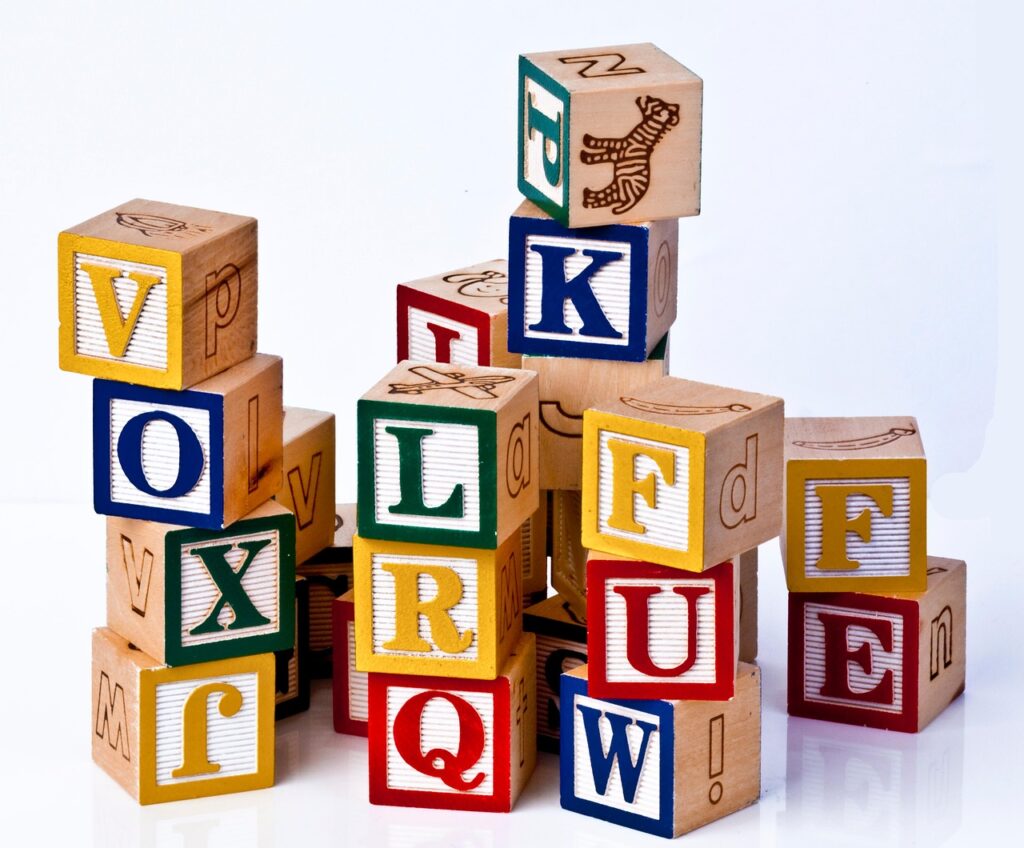

If you want to learn the Portuguese alphabet, you are in the right place. Understanding the alphabet is the first step to reading, writing, and pronouncing words correctly in Portuguese.
When I was a child, a song by Xuxa helped me a lot to memorize the alphabet. Many Brazilians grew up learning letters through music, which makes the process easier and more fun.
Letters in the Portuguese Alphabet
@fluentinportuguese.com Alphabet in Portuguese #alphabetinportuguese #alphabetinbrazilianpotuguese #fluentinportuguese #fluentportuguese #alphabetportuguese ♬ Feel Good – Tundra Beats
The modern Portuguese alphabet has 26 letters, just like English:
A B C D E F G H I J K L M
N O P Q R S T U V W X Y Z
However, this was not always the case.
For many years, K, W, and Y were considered foreign letters and were not officially part of the alphabet. Over time, due to globalization, brand names, technology, and foreign words, these letters became more common in everyday life. As a result, they were officially incorporated into the Portuguese alphabet.
Is “Ç” a Letter in Portuguese?
The Ç (cedilla) is not considered a separate letter in the Portuguese alphabet. It is actually the letter C with a diacritical mark underneath.
Its purpose is to change pronunciation. The Ç makes the “ss” sound, never the “k” sound.
Examples:
- Casa (k sound)
- Paçoca (ss sound)
Portuguese Accents Explained (´ ` ^ ~)
Portuguese uses diacritical marks (accents) to indicate pronunciation, stress, or nasal sounds. These accents are extremely important because they can change the meaning of a word.
@fluentinportuguese.com Accents in Portuguese áãàâç #accentsinportuguese #writeinportuguese #fluentinportuguese #fluentportuguese #portuguesesounds ♬ original sound – Ramon Cristian
Acute Accent ( ´ )
The acute accent shows a strong, open sound and indicates the stressed syllable.
Examples:
- café
- avó
- você
Grave Accent ( ` )
The grave accent is mainly used to indicate crasis, a grammatical contraction, not pronunciation.
Example:
- à (a + a)
- Vou à escola.
Circumflex Accent ( ^ )
The circumflex accent indicates a closed vowel sound.
Examples:
- você
- pêssego
- ônibus
Tilde ( ~ )
The tilde indicates a nasal sound, which is very characteristic of Portuguese.
Examples:
- não
- mãe
- pão
Why Accents Matter in Portuguese
Accents are not optional in Portuguese. Removing or changing an accent can:
- Change pronunciation
- Change meaning
- Make a word incorrect
Example:
- avó (grandmother)
- avô (grandfather)
Final Tip for Learning the Portuguese Alphabet
Learning the alphabet along with accents and pronunciation rules will make your Portuguese much more natural from the beginning. Songs, repetition, and reading simple texts are some of the best ways to master it.
If you want to keep learning Portuguese step by step, start with the alphabet, then move on to sounds, accents, and basic vocabulary.